Death Reference Desk

  • Home
  • About
  • Research Guides
  • Ask a Question!
  • Contact

DeathRef Tweets DeathRef Tweets

  • http://t.co/N8RHE9eou9 http://t.co/yOBK5WSl8o, May 18

Categories

  • Afterlife (12)
  • Burial (31)
  • Cemeteries (42)
  • Cremation (25)
  • Death + Art / Architecture (35)
  • Death + Biology (19)
  • Death + Crime (27)
  • Death + Disaster (9)
  • Death + Humor (35)
  • Death + Popular Culture (68)
  • Death + Technology (59)
  • Death + the Economy (34)
  • Death + the Law (101)
  • Death + the Web (41)
  • Death Ethics (73)
  • Death Ref Questions (2)
  • Defying Death (9)
  • Eco-Death (17)
  • Funeral Industry (37)
  • Grief + Mourning (30)
  • Monuments + Memorials (41)
  • Suicide (30)

We Like

  • Daily Undertaker
  • Death Care
  • Morbid Anatomy
  • Obit Magazine
  • Pushin Daisies
  • Taphophilia (dot) Com
  • Wikipedia Death Portal

Archives

  • May 2013
  • April 2013
  • March 2013
  • February 2013
  • January 2013
  • December 2012
  • November 2012
  • October 2012
  • September 2012
  • July 2012
  • June 2012
  • May 2012
  • March 2012
  • February 2012
  • January 2012
  • December 2011
  • November 2011
  • October 2011
  • September 2011
  • August 2011
  • July 2011
  • June 2011
  • May 2011
  • April 2011
  • March 2011
  • February 2011
  • January 2011
  • December 2010
  • November 2010
  • October 2010
  • September 2010
  • August 2010
  • July 2010
  • June 2010
  • May 2010
  • April 2010
  • March 2010
  • February 2010
  • January 2010
  • December 2009
  • November 2009
  • October 2009
  • September 2009
  • August 2009
  • July 2009
  • June 2009

Tags

animals anthropology Arlington Cemetery assisted dying attending your own funeral auctions audio Bali bio-cremation bioethics body fisherman books brain death capital punishment cardiac death celebrity death Cemeteries China civil rights coffins columbaria corpse abuse crafts cremains Cremation cryogenics cryonics cults death and art death and smell death masks death meditation death with dignity decomposition definition of death digital archiving digital assets Dignitas disease Edward and Joan Downes euthanasia Facebook films foreclosure forensics Foxconn free speech funeral directors funeral homes funerals games genealogy ghost bikes grave markers green burial guns Haiti Earthquake home burial homicide humor infographics informatics insurance investment Jack Kevorkian Japan jewelry last words lecture LGBT lifecasting living with the dead marketing mass graves medicine memorializing memorial tattoos Mexico mock funerals moment of death mortuary science mummies mysterious deaths obesity obituaries online memorials patents pet loss pets photos physician-assisted suicide planned giving plastination podcast postmortem photography premature burial promession protests public art QR codes religion research reusing graves roadside memorials same-sex partners seminars September 11 2011 soldiers soldier suicide spiritualism statistics stress Suicide suicide prevention superstition SxSW tattooing taxes TED talk thanatos tours twitter unclaimed bodies urns vertical burial video wayward bodies webcasting Westboro Baptist Church wills writing zombies

Swedish Woman Killed by Elk (possibly) Drunk on Fermented Apples

29 Nov
2009

Sweden woman’s ‘murder’ committed by elk not husband
BBC News (November 28, 2009)
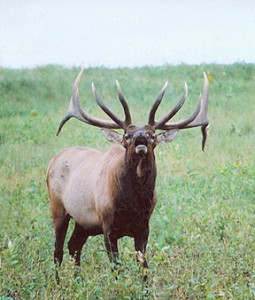
Mean Ferocious ElkSo yeah. There are a number of more important articles that I SHOULD be posting to Death Ref right now, but I couldn’t resist this one. Especially since Swedish officials are saying that Elk can become aggressive after eating fermented apples.

I like to think that this is a warning. Eventually the animals will all strike back against the humans for all the hunting, the terrible t-shirts that use their images without asking, and five pound bags of beef jerky. LOOK OUT Wisconsin!!!!

If the dogs in Japan lash out, it’s going to be really really bad…

RedditDiggFacebookTwitterStumbleUponDeliciousShare
  • By: John
  • In: Death + the Law

  • Tags: animals

4 Responses to Swedish Woman Killed by Elk (possibly) Drunk on Fermented Apples

Sarah

December 2nd, 2009 at 11:48 am

Not that it matters, but “elk” in Scandinavia are what we call “moose” here in the states.
http://en.wikipedia.org/wiki/Moose

Meg Holle

December 3rd, 2009 at 5:20 pm

I was not aware of this distinction! Good thing this BBC article wasn’t about a billion drunk moose / elk, or we’d really be confused.

http://www.askoxford.com/asktheexperts/faq/aboutwords/billion

» Bye Bye Birdies Death Reference Desk

January 10th, 2011 at 1:03 am

[...] don’t usually report on non-human deaths here at DRD. Sure, we have the occasional drunken elk rampage story. Really, the interest for me is more about how we, as a society, are reacting to these bird deaths [...]

Mark McDonald

February 3rd, 2011 at 2:42 pm

Nope: We don’t call elk moose in the USA. We call them elk, because they are different than moose, meesies, they have different pieces… You see where I’m going don’t you? Elk and moose are both members of the “Deer” family but are a different species. Elk have antlers or a “rack” in hunting circles than moose and the elk’s rack is more like that of the antlers of it’s considerably smaller cousin, common white tail deer. That’s not to say that deer, say in Canada wouldn’t drink say… BEER and could become as dangerous as moose, or elk. With the proper intoxicant, most species on the planet could become killers. The blue crab is probably a poor example of this and has been omitted from this comment.

Here, a quote from Wikipedia.org: Moose

The moose (North America) or Eurasian elk (Europe) (Alces alces) is the largest extant species in the deer family. Moose are distinguished by the palmate antlers of the males; other members of the family have antlers with a dendritic (“twig-like”) configuration. Moose typically inhabit boreal and mixed deciduous forests of the Northern Hemisphere in temperate to subarctic climates.

The moose (North America) or Eurasian elk (Europe) (Alces alces) is the largest extant species in the deer family. Moose are distinguished by the palmate antlers of the males; other members of the family have antlers with a dendritic (“twig-like”) configuration. Moose typically inhabit boreal and mixed deciduous forests of the Northern Hemisphere in temperate to subarctic climates.

Here, a quote from Wikipedia.org: Elk

This article is about the North American and East Asian animals, also known as wapiti. For the animal Alces alces, called the elk in Europe, see moose. For other uses, see Elk (disambiguation).

The first line in these two separate articles bare out and are consistent in the information for Alces alces, (a creature so nice they had to name it twice): Sorry, couldn’t help myself there. Anyway, it was just a minor inconsistency I felt should be addressed.

Thank you.

Comment Form

Your email will not be publicly revealed, and commenting is HTML friendly. If a Gravatar is attached to your email, it will be shown. Otherwise you'll see our studious lil' skelly friend.

top

Copyright ®2009 - 2013 Death Reference Desk | Disclaimer | Privacy

Powered by WordPress | Evidens White Theme by Design Disease